This month, we’re reminded of two powerful ideas: the importance of movement through Physical Fitness and Sports Month, and the value of hands-on care during Therapeutic Massage Awareness Day on 1st May. While these themes often sit side by side, sports massage is one of the most effective ways to bring them together, bridging the gap between activity, recovery, and long-term physical wellbeing.
Whether you’re already active, returning to exercise after a break, or just starting your fitness journey, sports massage can play a meaningful role in how your body adapts, performs, and stays injury-free.
What Is Sports Massage?
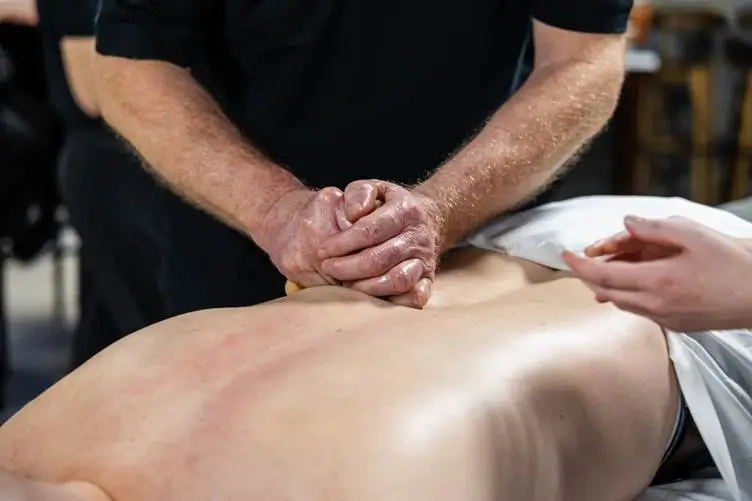
Sports massage isn’t just for elite athletes. It’s a targeted, evidence-informed form of soft tissue therapy designed to support people who are physically active, or aiming to become more active.
It typically involves a combination of techniques such as deep tissue work, myofascial release, stretching, and trigger point therapy. The goal isn’t simply relaxation (although that can be a welcome side effect), but to improve tissue function, reduce discomfort, and help the body respond better to physical demands.
In a modern setting, especially within multi-centre massage environments, sports massage is increasingly integrated with physiotherapy principles, meaning treatment is not only hands-on, but also guided by movement assessment, rehabilitation insight, and individual goals.
Why Sports Massage Matters When You’re Already Fit
If you’re already exercising regularly, whether that’s gym training, running, cycling, or sport-specific activity, you’re placing repeated stress on your muscles, tendons, and joints. That’s not a bad thing; it’s how the body adapts and becomes stronger. But adaptation only happens when recovery is adequate. This is where sports massage becomes particularly valuable.
Supporting Recovery Between Sessions
Training creates microtrauma in muscle tissue. Recovery is the process where that tissue repairs and strengthens. Sports massage can help facilitate this by:
– Encouraging circulation to affected areas, supporting nutrient delivery and waste removal
– Reducing residual muscle tension that can build up over repeated sessions
– Helping you feel physically and mentally ready for your next workout
While it doesn’t “flush out lactic acid” in the simplistic way often described, it does influence how tissues feel and behave, which can improve perceived recovery and readiness.
Maintaining Movement Quality
Over time, repetitive training can lead to subtle restrictions in movement. Tight hip flexors, stiff thoracic spine, or overworked calves can all alter how you move, even if you’re not in pain.
Sports massage helps by:
– Addressing areas of increased tone or stiffness
– Improving tissue pliability
– Supporting better joint movement indirectly through soft tissue work
For someone training consistently, this can mean better technique, more efficient movement, and reduced strain on compensating areas.
Reducing Injury Risk
Injury risk is rarely about a single moment, it’s usually the result of cumulative load, poor recovery, or altered mechanics. Sports massage contributes to injury prevention by:
– Highlighting early signs of overload (tightness, tenderness, asymmetry)
– Keeping tissues adaptable rather than rigid
– Supporting a more balanced distribution of load across the body
It’s not a guarantee against injury, but it’s a valuable part of a broader strategy that includes strength training, mobility work, and appropriate programming.
Enhancing Body Awareness
One often overlooked benefit is how sports massage improves your awareness of your own body. Regular sessions can help you
– Recognise early warning signs of overtraining
– Understand where you tend to hold tension
– Become more in tune with how your body responds to different types of exercise
This awareness is key for long-term performance and consistency.
Why Sports Massage Matters When You’re Building Fitness
If you’re newer to exercise or increasing your activity levels, your body is going through a period of adaptation. This stage is exciting, but also where many people experience discomfort, setbacks, or loss of motivation.
Sports massage can make this transition smoother and more sustainable.
Managing Post-Exercise Soreness
Delayed onset muscle soreness (DOMS) is common when starting or progressing exercise. While it’s a normal response, it can be discouraging, especially if it limits your ability to stay consistent.
Sports massage can help by:
– Reducing the perception of soreness
– Improving comfort during movement
– Helping you return to activity sooner
This doesn’t eliminate soreness entirely, but it can make it more manageable and less of a barrier.
Building Confidence in Movement
When your body feels stiff, tight, or uncomfortable, it’s easy to lose confidence in your ability to exercise. This can lead to hesitation or avoidance.
Hands-on treatment can:
– Make movement feel easier and more fluid
– Reduce apprehension around certain activities
– Reinforce positive experiences with exercise
For many people, this psychological component is just as important as the physical effects.
Preventing Early Drop-Off
One of the biggest challenges in fitness isn’t starting, it’s sticking with it. Discomfort, minor injuries, or simply feeling “not right” can lead people to stop before they’ve seen the benefits.
Sports massage helps maintain momentum by:
– Addressing small issues before they become bigger problems
– Supporting recovery between sessions
– Making the overall experience of exercise more enjoyable
Consistency is the foundation of fitness, and anything that supports consistency has real value.
Supporting Gradual Progression
As you increase your training load, whether that’s intensity, duration, or frequency, your tissues need time to adapt. If progression is too fast, the risk of overload increases.
Sports massage can:
– Help manage the increased demands on your body
– Provide feedback on how your tissues are responding
– Support a more gradual, sustainable progression
The Physiological Benefits: What’s Actually Happening?
While sports massage is often associated with how it feels, there are several underlying physiological effects worth understanding.
Circulation and Fluid Movement:
Massage can influence local blood flow and lymphatic movement. This supports:
– Delivery of oxygen and nutrients
– Removal of metabolic byproducts
– Reduction of localised swelling
These effects are subtle but contribute to overall tissue health.
Neurological Effects:
A significant portion of massage benefits comes from its interaction with the nervous system.
Sports massage can:
– Reduce muscle tone through neurological relaxation
– Decrease sensitivity in tender or painful areas
– Activate the parasympathetic nervous system, promoting recovery
This is particularly relevant for people who train frequently or experience stress alongside physical activity.
Pain Modulation
Massage doesn’t “fix” pain in a structural sense, but it can change how pain is perceived. The mechanisms of this are to:
– Reduce the intensity of discomfort
– Improve tolerance to movement
– Create a window where exercise feels more manageable
This is especially useful for people returning from injury or dealing with persistent niggles.
Integrating Sports Massage into a Fitness Routine
Sports massage works best when it’s part of a broader approach rather than a standalone solution.
Timing Matters
Different types of massage can be used at different times:
– Pre-event or pre-training: lighter, more stimulating techniques to prepare tissues
– Post-event or recovery sessions: slower, deeper work to reduce tension
– Maintenance sessions: regular treatments to support ongoing activity
The right approach depends on your goals, training schedule, and individual response.
It Complements, Not Replaces, Exercise
Massage should never replace active strategies like:
– Strength training
– Mobility exercises
– Cardiovascular conditioning
Instead, it enhances your ability to engage in these activities consistently and effectively.
Individualisation Is Key
No two people respond the same way. Factors such as training history, injury background, and lifestyle all influence how sports massage should be applied.
In a massage centre setting, having access to trained therapists who can adapt treatment to your needs makes a significant difference.
Common Misconceptions About Sports Massage
There are still a few persistent myths worth addressing.
“It Has to Hurt to Work”
While sports massage can involve deeper pressure, pain is not a requirement for effectiveness. In fact, excessive discomfort can increase muscle guarding and reduce the benefits.
Effective treatment is about the right level of pressure for the individual, not pushing through pain.
“It Breaks Down Knots”
The idea of “knots” being physically broken down is an oversimplification. What people feel as knots are often areas of increased muscle tone or sensitivity.
Massage helps by changing how these areas behave and feel, rather than physically removing something.
“It’s Only for Athletes”
This is one of the biggest misconceptions. Sports massage is for anyone engaging in physical activity, whether that’s structured training, recreational sport, or simply trying to become more active.
The Bigger Picture: Recovery as Part of Performance
One of the most important shifts in modern fitness is the recognition that recovery isn’t separate from performance, it’s part of it.
Training breaks the body down; recovery builds it back up. Without adequate recovery, progress stalls and injury risk increases.
Sports massage fits into this bigger picture by:
– Supporting physical recovery
– Enhancing mental relaxation
– Helping you stay consistent over time
It’s not a shortcut or a quick fix, but it’s a valuable tool that can make a noticeable difference.
Final Thoughts
1st May is Therapeutic Massage Awareness Day and May being the Physical Fitness and Sports Month are ultimately about encouraging people to take a proactive approach to their health.
Sports massage sits at the intersection of these ideas:
– It supports people who are already active in maintaining their performance
– It helps those starting out to stay comfortable and consistent
– It promotes a more holistic view of fitness that includes recovery and self-care
In a busy, modern lifestyle, where time is limited and stress is high, having structured support for your body can be the difference between short-term effort and long-term success.
Whether you’re pushing for performance goals, returning to exercise after time away, or simply trying to feel better in your body, sports massage offers practical, evidence-informed support.
It won’t replace good training, and it’s not a cure-all, but when used alongside a well-rounded approach to fitness, it can help you move better, recover more effectively, and stay on track.
And ultimately, that’s what both awareness campaigns are really about: not just moving more, but moving well, and continuing to do so for the long term.
References:
Effect of sports massage on performance and recovery: a systematic review and meta-analysis. https://bmjopensem.bmj.com/content/6/1/e000614
Does Massage Help Athletes After Exercise? https://pmc.ncbi.nlm.nih.gov/articles/PMC7310163/
The Effects of Massage Therapy on Sport and Exercise Performance: A Systematic Review https://uhra.herts.ac.uk/id/eprint/10450/1/sports_11_00110_v3.pdf