
Stress has become so common that many people have started to accept it as normal. Yet stress is not simply “part of modern life” that we should ignore or push through. Over time, unmanaged stress can affect sleep, mood, concentration, relationships, immune function, pain levels, and overall quality of life, especially when it is driven by difficult work cultures, relationship strain, financial pressure, or the constant pressure to stay switched on.
April’s Stress Awareness Month is a timely reminder that looking after ourselves is not indulgent or optional. It is a practical skill, and one that can be learned, strengthened, and maintained. A resilient person is not someone who never feels stressed; resilience means having the tools, habits, and support to recover, adapt, and keep going when life becomes demanding.
Why Stress Feels So Heavy Now
Modern stress is often less about one single crisis and more about ongoing strain. Many people are juggling deadlines, family responsibilities, digital overload, poor sleep, financial concerns, and emotionally draining relationships at the same time. When stress becomes chronic, people may begin to feel emotionally flat, physically tense, mentally foggy, or disconnected from themselves and others, which is part of why burnout has become such an important public health topic.
Workplace stress is a major contributor. The World Health Organization describes burnout as an occupational phenomenon resulting from chronic workplace stress that has not been successfully managed, and it is characterised by exhaustion, mental distance or cynicism, and reduced professional efficacy. That definition matters because it reminds us that the answer is not simply “try harder.” We need better coping strategies, healthier boundaries, and environments that support wellbeing.
The Power of Self-Efficacy
One of the most useful concepts in resilience is self-efficacy, which is the belief that you can influence your own coping and take effective action. In plain English, self-efficacy is the sense that “I can do something about this.” That belief matters because people who feel more capable are more likely to use practical coping skills, persist through setbacks, and recover more quickly from stressful events.
Self-efficacy grows through repeated evidence. Each time you break a problem into manageable steps, ask for help, keep a boundary, or use a calming technique during a difficult moment, you strengthen your confidence for the next challenge. Resilience is built less by grand gestures and more by small, repeated acts of self-management.
Start with Awareness
Before you can manage stress well, you need to notice it early. Many people only recognise stress once it has become overwhelming, but the body often signals distress long before that point. Common early signs include tension in the jaw, neck or shoulders, headaches, shallow breathing, poor sleep, irritability, racing thoughts, fatigue, digestive upset, or a sense of being “on edge”.
A helpful first step is simply to ask yourself three questions:
– What is draining me most right now?
– What does my body do when I am under pressure?
– What helps me recover, even a little?
This kind of self-check creates awareness, and awareness makes change possible. It also helps separate the stressor from the stress response, which is important because while we cannot always control life events, we can often influence how we respond to them.
Build a Daily Resilience Routine
Resilience is not built only in a crisis. It grows through everyday habits that support the nervous system and protect energy. NHS guidance on stress management consistently highlights regular activity, social connection, relaxation, prioritising tasks, and time for enjoyable activities as core protective factors. A good daily routine does not need to be perfect. It needs to be realistic. For example:
– Move your body, even if it is just a short walk.
– Eat and hydrate regularly rather than running on empty.
– Protect sleep by keeping a reasonably consistent bedtime.
– Create small moments of calm during the day.
– Build in recovery time instead of waiting until burnout forces it.
These basics may sound simple, but they are powerful because stress recovery depends on repetition. The nervous system likes predictability, rhythm, and enough down time to reset.
Use Calm-Down Techniques in the Moment
When you are in a stressful moment, your first goal is not to solve everything. It is to reduce the intensity enough that you can think clearly again. Practical techniques such as slow breathing, mindfulness, brief grounding exercises, and short pauses can help shift the body out of threat mode and into a more settled state.
Try this simple approach:
- Pause for a few seconds.
- Unclench the jaw and drop the shoulders.
- Exhale slowly for a little longer than you inhale.
- Name three things you can see.
- Ask, “What is the next useful step?”
This is not about pretending everything is fine. It is about interrupting the stress spiral long enough to regain control. Even a brief reset can make a difficult conversation, commute, or work task feel more manageable.
Protect Your Boundaries
Chronic stress often grows where boundaries are weak or constantly ignored. Many people feel pressure to be endlessly available, agreeable, or productive, especially in jobs or relationships where they fear disappointing others. Over time, that pattern can erode confidence and leave people emotionally depleted. Healthy boundaries are a form of self-respect. They might look like:
– Saying no without over-explaining.
– Limiting work messages outside contracted hours.
– Being honest about what you can and cannot take on.
– Making time for rest without guilt.
– Stepping back from conversations that become unkind or manipulative.
Boundaries are not selfish. They are one of the clearest ways of protecting mental health, energy, and long-term functioning.
Relationships Can Be Stressful Too
Not all stress comes from work. Difficult relationships can be one of the biggest drains on wellbeing, particularly when there is criticism, conflict, emotional unpredictability, or a lack of support. In those situations, resilience does not mean tolerating everything. Sometimes resilience means recognising what is healthy, what is not, and what distance or support may be needed.
Where relationships are challenging, it can help to focus on:
– Staying grounded before reacting.
– Keeping communication clear and brief.
– Not taking responsibility for someone else’s emotions.
– Looking for safe people who help you feel regulated.
– Reaching out for professional support when needed.
Social support is one of the strongest buffers against stress, which is why staying connected to trusted friends, family, colleagues, or community groups is so important.
The Role of Massage in Stress Care
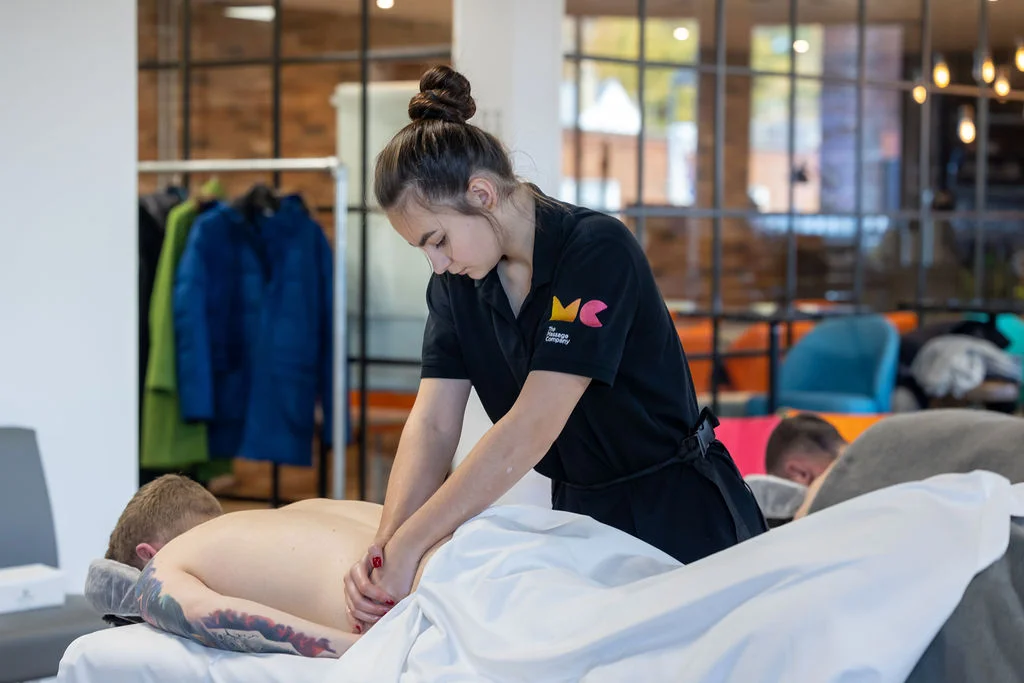
Massage is not a cure-all, but it can be a valuable part of a wider stress-management strategy. Research and professional resources increasingly support massage as a helpful intervention for reducing perceived stress, easing muscle tension, and promoting relaxation, especially when stress is showing up physically in the body.
The benefits of massage are both physical and psychological. On a physical level, massage can help soften muscle guarding and encourage a more relaxed state. On a psychological level, the experience of being cared for, slowing down, and focusing attention inward can help people feel calmer and more connected to their bodies. Some research also suggests massage may support the parasympathetic nervous system, which is linked to rest and recovery.
For many people, massage works best not as an isolated fix, but as a reset point. It can help someone step out of constant tension, become more aware of where stress lives in the body, and return to daily life with a little more capacity.
Why Touch Matters
One reason massage can be so meaningful is that stress often causes us to live “in our heads” rather than in our bodies. We override discomfort, ignore tension, and keep pushing until our body finally demands attention. Therapeutic touch offers a different message: slow down, notice, and restore.
That matters for stress resilience because body awareness is one of the foundations of early self-care. When people recognise where they hold stress, they are more likely to respond earlier with stretching, movement, breathing, hydration, posture changes, or time out. In that sense, massage can support self-efficacy by helping people understand their own stress patterns better.
Support Your Nervous System
The body cannot stay in high alert forever without consequences. If stress is long-standing, the goal is to create regular cues of safety so the nervous system can settle more often. Practical ways to do that include:
– Slow breathing.
– Time in nature.
– Gentle movement.
– Predictable routines.
– Restful touch, including massage.
– Reducing sensory overload where possible.
These approaches are useful because resilience is not about forcing calm. It is about helping the body experience enough safety to recover. Over time, that can improve sleep, emotional regulation, and tolerance for everyday pressure.
When to Seek More Help
Sometimes stress becomes more than something you can manage on your own. If stress is affecting sleep, work, relationships, mood, or physical health for a prolonged period, it is important to seek support from a GP, mental health professional, or workplace wellbeing service. If someone is feeling persistently hopeless, unable to cope, or at risk of harming themselves, urgent help should be sought immediately.
There is no shame in needing support. In fact, asking for help is often a strong sign of resilience. It shows a willingness to respond early rather than wait until things become unmanageable.
Practical Resources
For readers who want to take action, these types of resources can be a good starting point:
– NHS Every Mind Matters self-help tools and Mind Plan resources. bhamhealthyschools
– Stress Management Society Stress Awareness Month resources. stress
Further resources
Physiological sigh (fastest science-based technique), if you need to calm down immediately. Breathing Techniques to Reduce Stress and Anxiety | Dr. Andrew Huberman
If stress is coming from your thoughts or mindset.Reframing stress (TED talk). How to Make Stress Your Friend | Kelly McGonigal | TED
If you’re stressed at night or can’t relax before sleep. These guided body scans are widely used in CBT and clinical sleep programs and help reduce rumination and physical tension. NHS-CBT
The key message is simple: resilience is not built by doing everything alone. It is built by using the right tools, at the right time, with the right support.
Final Thoughts
Living in a stressed world does not mean we have to live in a constant state of strain. We can learn to notice stress earlier, respond more skilfully, and protect the energy we need for the things that matter most. Self-efficacy, boundaries, social support, recovery habits, and therapeutic interventions like massage all have a role to play in helping people feel more grounded and resilient.
The message is not just about easing tension for an hour. It is about helping people reconnect with their bodies, strengthen their coping skills, and create the conditions for better long-term wellbeing. That is what true self-care looks like in a challenging modern world.
Reference list
- The Stress Management Society. Stress Awareness Month 2026.
https://www.stress.org.uk/stress-awareness-month-2026/stress - The Stress Management Society. Stress Awareness Month 2025 Resource Page.
https://www.stress.org.uk/stress-awareness-month-2025-resource-page/stress - Liverpool John Moores University. April is Stress Awareness Month.
https://www.ljmu.ac.uk/about-us/news/articles/2023/4/5/april-is-stress-awareness-monthljmu - The Stress Management Society. Stress Awareness Month 2024.
https://www.stress.org.uk/sam2024/stress - NHS Lanarkshire. Recognising Stress and Supporting Wellbeing.
https://www.nhslanarkshire.scot.nhs.uk/pulse-stress-awareness-month-recognising-stress-and-supporting-wellbeing/scot - Health Well (EANI). Building Resilience: Bouncing Back From Life’s Challenges.
https://healthwell.eani.org.uk/news/mental-health/building-resilience-bouncing-back-lifes-challengeseani - YouTube – SciShow Psych. Do Massages Really Help With Anxiety & Depression?
https://www.youtube.com/watch?v=GD7mFLwRqK8youtube - Stress Awareness Month, Burnout, and the Importance of Resilience.
https://www.strive-online.co.uk/blog/stress-awareness-month-burnout-and-the-importance-of-resilience/strive-online - Health Well (EANI). Personal Resilience.
https://healthwell.eani.org.uk/news/mental-health/personal-resilienceeani - Sokunbi DO, Jung E, Gallo JJ, et al. Effectiveness of therapeutic massage for generalized anxiety disorder.
https://ouci.dntb.gov.ua/en/works/4yvXr3rl/dntb - NHS / Every Mind Matters (via Birmingham Healthy Schools). Mental Wellbeing Tips.
https://www.bhamhealthyschools.co.uk/resources/139bhamhealthyschools - UK Department of Health and Social Care (Facebook). Every Mind Matters mental health post.
https://www.facebook.com/DHSCgovuk/posts/its-important-to-take-care-of-your-mental-healthvisit-everymindmatters-for-pract/631230facebook - Carers MK (Facebook). If you’re feeling anxious, there are ways you can learn to help reduce this feeling.
https://www.facebook.com/CarersMK/videos/if-youre-feeling-anxious-there-are-ways-you-can-learn-to-help-reduce-this-feelin/189969facebook - Carers MK (Facebook). Tips for dealing with stress – Every Mind Matters.
https://www.facebook.com/CarersMK/videos/tips-for-dealing-with-stress-everymindmatters/755645491809126/facebook - NHS / Every Mind Matters (via Birmingham Healthy Schools). Dealing With Life’s Challenges.
https://www.bhamhealthyschools.co.uk/resources/140bhamhealthyschools - Stressed At Work? Burnout Is A Serious Problem, Says World Health Organization.
https://www.npr.org/sections/health-shots/2019/05/28/727637944/who-redefines-burnout-as-a-syndrome-linked-to-chronic-stress-at-wnpr - American Massage Therapy Association (Rhode Island Chapter). A Growing Body of Research Supports the Positive Impact of Massage Therapy for Mental Health.
https://ri.wp.amtamassage.org/a-growing-body-of-research-supports-the-positive-impact-of-massage-therapy-for-mental-health/amtamassage - Work burnout recognised as a medical condition.
https://www.myhrtoolkit.com/blog/work-burnout-who-medical-conditionmyhrtoolkit - World Health Organisation widens definition of burnout.
https://prospect.org.uk/news/world-health-organisation-widens-definition-of-burnoutprospect - World Health Organization. Burn-out an “occupational phenomenon”: International Classification of Diseases.
https://www.who.int/news/item/28-05-2019-burn-out-an-occupational-phenomenon-international-classification-of-diseaseswho